

The vast majority of shops will tell you exactly how much they spend on cutting tools each month. Very few will be able to tell you where that spend is actually going, what inserts are walking off the shelf, or why the same job is consistently consuming more tooling than the job sheet would indicate. That gap between 'what we spend' and 'why we spend it' is exactly where a tooling intelligence program really comes to the fore.
It Starts with Knowing What You Have
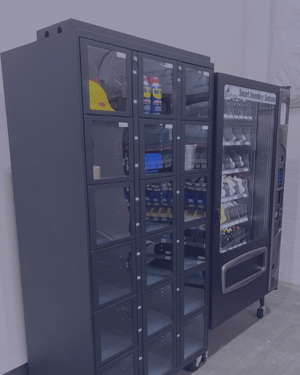
Point-of-use vending sounds like such a simple convenience, but the real value is in the data that it generates. Every time an insert, gauge, or piece of abrasive is issued, you have a transaction. You know who took it, what job it went to, and how much is remaining on the shelf. Take that across the whole shop floor, and you've got a real picture of consumption rather than just a guess as to what's actually in the tool crib.
The analytics around the vending machine are a lot more than just a stock count. You can see your savings broken down by tool supplier, which employee had the highest spend over the year, and how long a particular tool actually lasted in service. That's what takes "our tooling costs seem high" and turns it into a very specific answer as to which supplier, which team, or which tool is the problem.
Turning Usage Into a Forecast
Tracking what's used is useful. Tracking it against a job is where the savings really start to compound. If you have consumption data linked to the actual manufacturing process of a customer, then you can project it forward. You don't then have to reorder reactively; you know pretty much what a job is going to consume over the course of a year before it even starts. That turns tooling from a line item that you only ever look at after the fact into something that you can actually plan around.
It also makes the whole debate around ownership models a hell of a lot easier. No matter what your inventory model is (consignment, customer managed or standard ship) the usage data will tell you which one is actually the one that works for the way the shop is run rather than just which one looked like a good idea on the surface.
Training Closes the Loop
None of that data is going to be of any use if the people on the shop floor aren't properly equipped to use the tooling correctly in the first instance. A tooling intelligence program isn't simply software and a vending machine. It has to include the hands-on ANSI standard
machinist training that's relevant to the materials and processes that the shop actually works with (be that cast iron, aerospace 17-4PH, or whatever). Better technique leads to fewer premature tool failures, and fewer premature failures means the usage data is clean.
Where the Savings Actually Show Up
When you bring visibility, forecasting, and training together into view, the impact shows up in everyday operations. That can mean:
-
Less money tied up in tooling that isn't being used
-
Fewer emergency orders and rush charges
-
Less scrap and rework caused by tool-related issues
-
Less downtime spent searching for the right insert or a calibrated gauge
-
A better understanding of which tooling ownership model makes the most financial sense over time
The final point is particularly important. A tooling intelligence program should give you a documented view of where your money is going, where you're saving it, and what that saving is worth.
Instead of purchasing based on assumptions, you have real numbers to work with. You can compare the results against previous tooling spend and see whether the program is actually delivering the savings and efficiencies that it was intended to.
The Takeaway
Cutting tools will always be part of the cost of doing business. What we don't need to be a cost is not knowing where that money is going. A tooling intelligence program removes the guesswork by providing visibility, linking that visibility to a forecast, and providing the training to actually make the numbers work over time. That's the difference between managing a tool crib and managing tooling spend.